


OUR SERVICES
Cervical Surgical Procedures
Cervical spine procedures carry risk to the spinal cord, nerve roots, and brachial plexus. Continuous IONM — including SSEPs, tcMEPs, and free-run EMG — allows real-time detection of position-related or surgical stress to neural structures before injury becomes permanent.
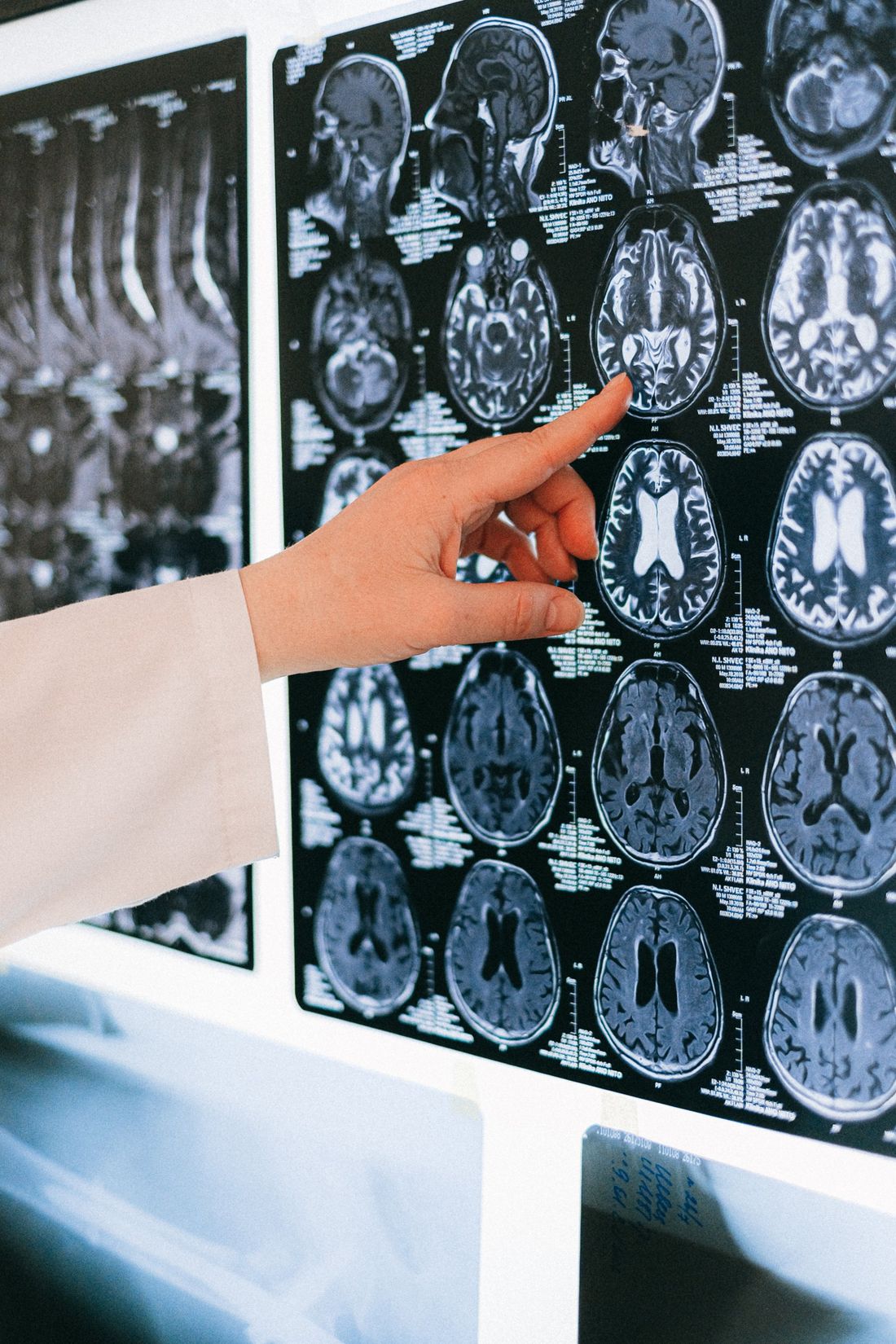
Thoracic and Lumbar Surgical Procedures
Thoracic and lumbar procedures require tailored monitoring strategies based on the surgical level. Upper thoracic cases prioritize spinal cord integrity via SSEPs and tcMEPs, while lower lumbar and sacral procedures shift focus to lumbosacral nerve roots and cauda equina — where EMG becomes the critical line of defense.
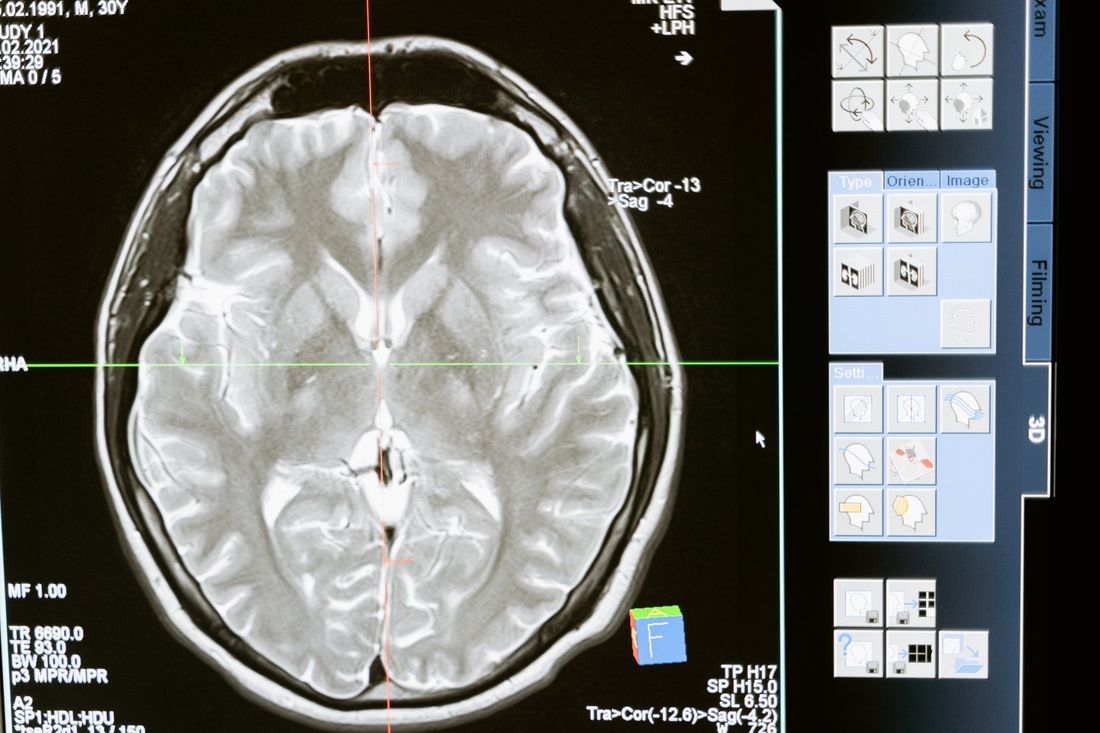
Cardiovascular Surgical Procedures
Cardiovascular procedures — including carotid endarterectomy and aortic repair — place the brain and spinal cord at risk from ischemia and embolic events. Multimodal monitoring with bilateral EEG, SSEPs, and TcMEPs provides continuous oversight of cerebral and spinal cord perfusion throughout the procedure.
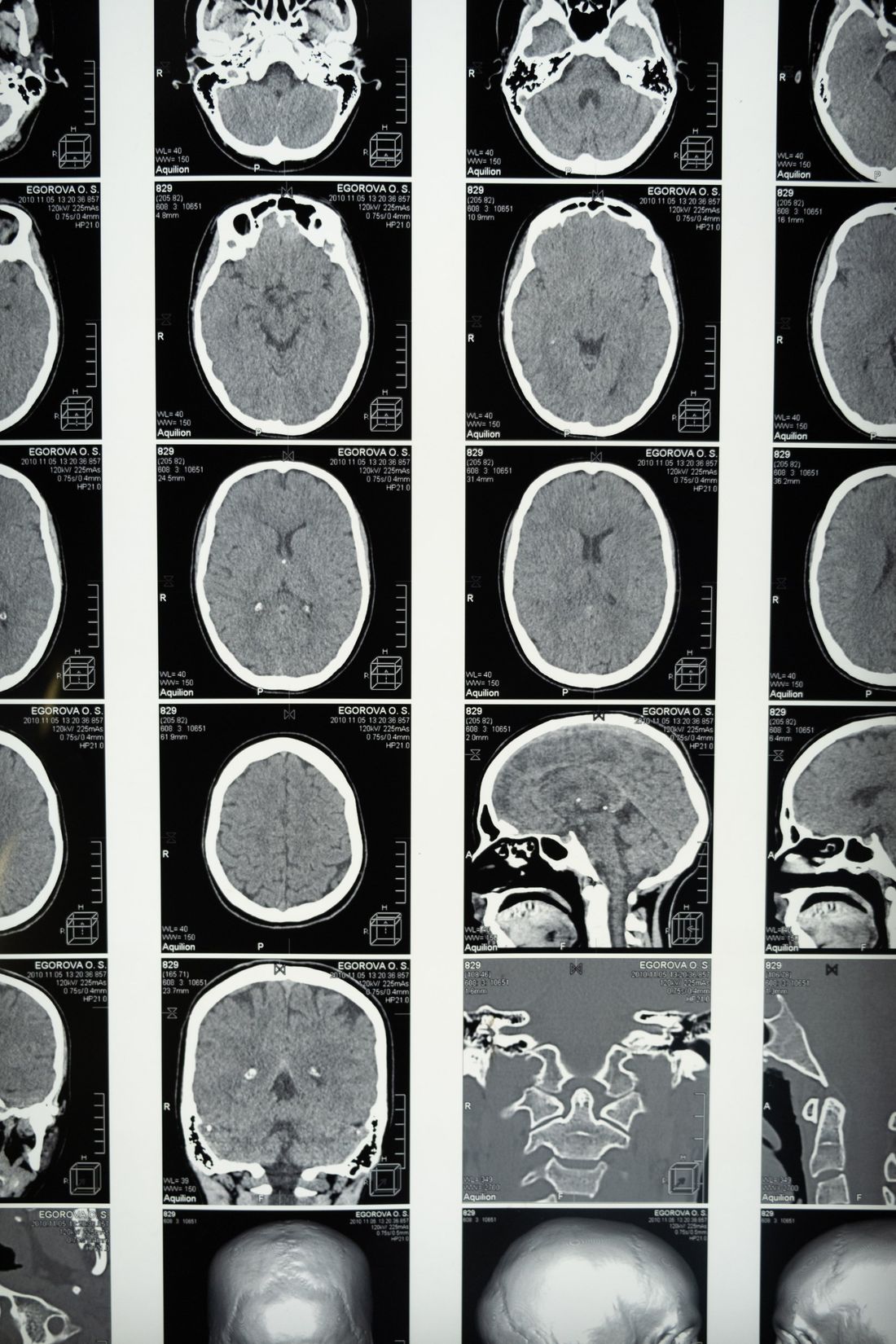
Orthopedic Surgical Procedures
Orthopedic procedures involving the hip, shoulder, and extremities carry risk of peripheral nerve injury from traction, compression, or malpositioning. IONM with SSEPs and free-run EMG enables early identification of nerve stress so the surgical team can intervene before deficits occur.
Pain Management and IONM
Accurate nerve localization is essential for effective and safe pain management interventions. IONM-guided stimulation confirms correct target identification in real time — improving procedural precision for nerve blocks, radiofrequency ablation, spinal cord stimulator placement, and other interventional techniques.